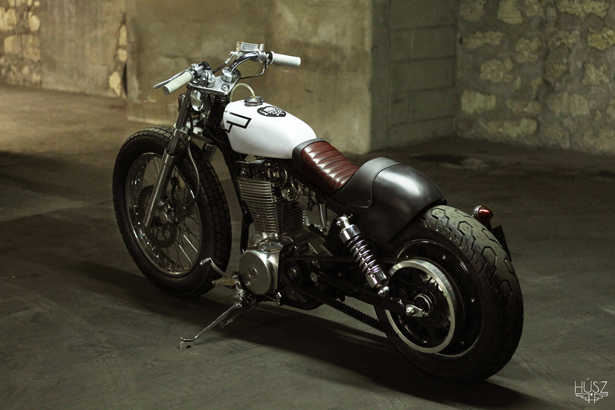
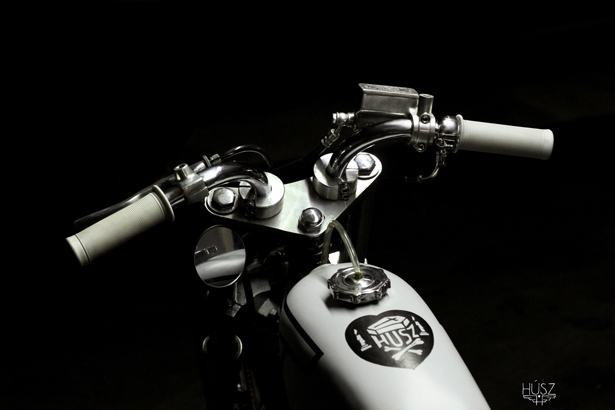
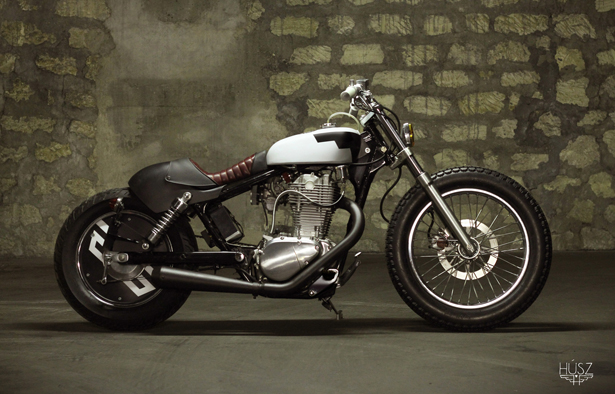
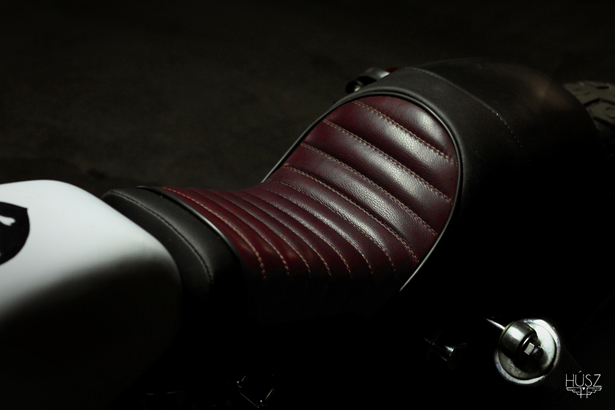
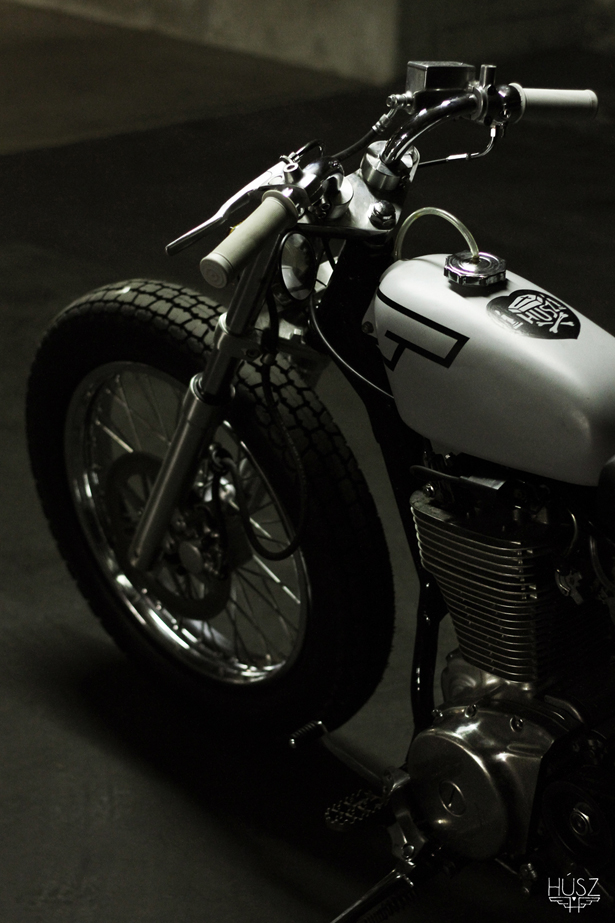
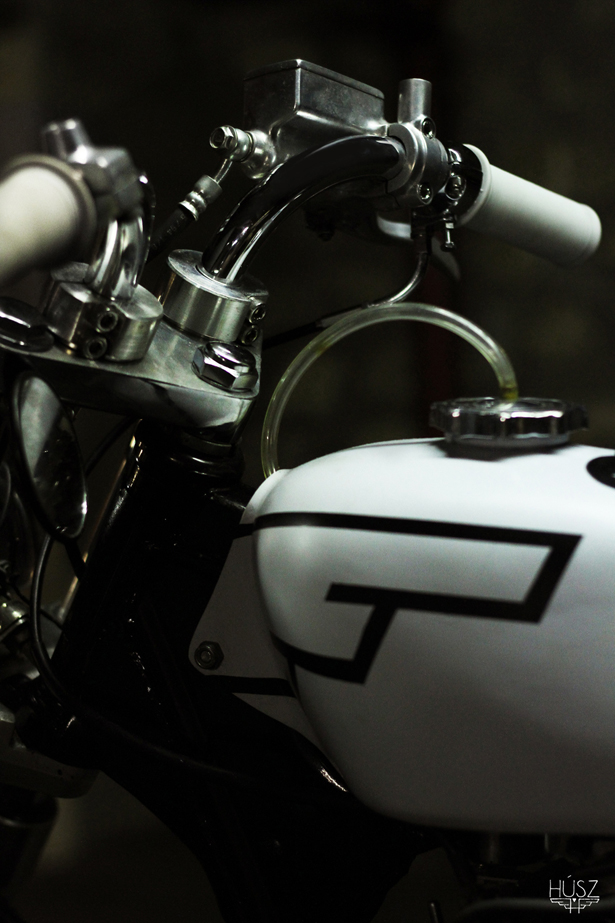
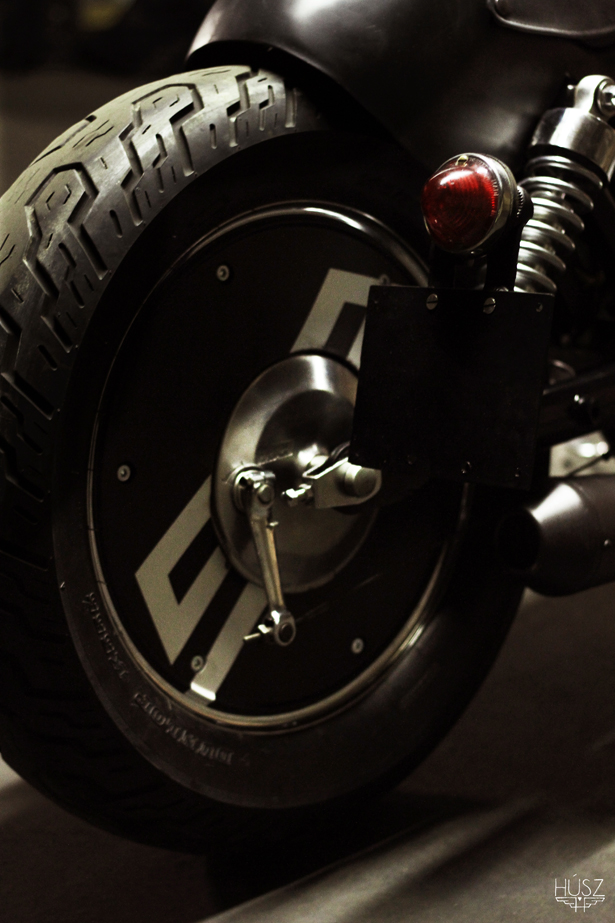
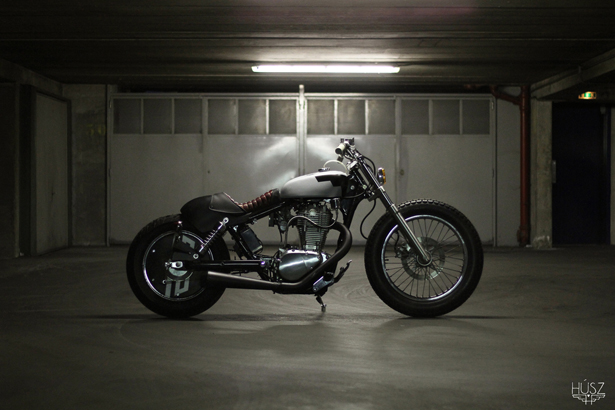
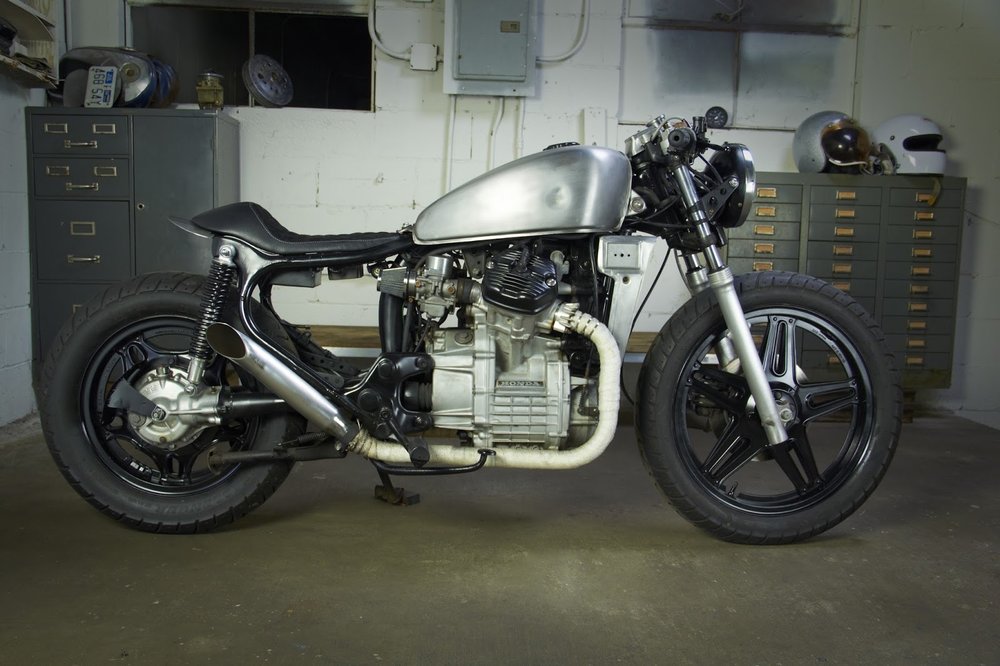
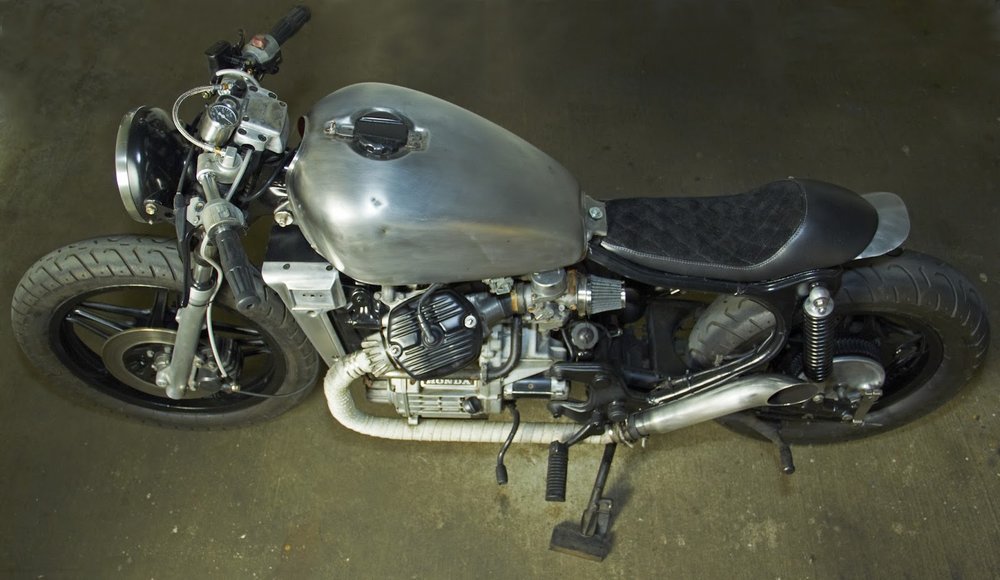
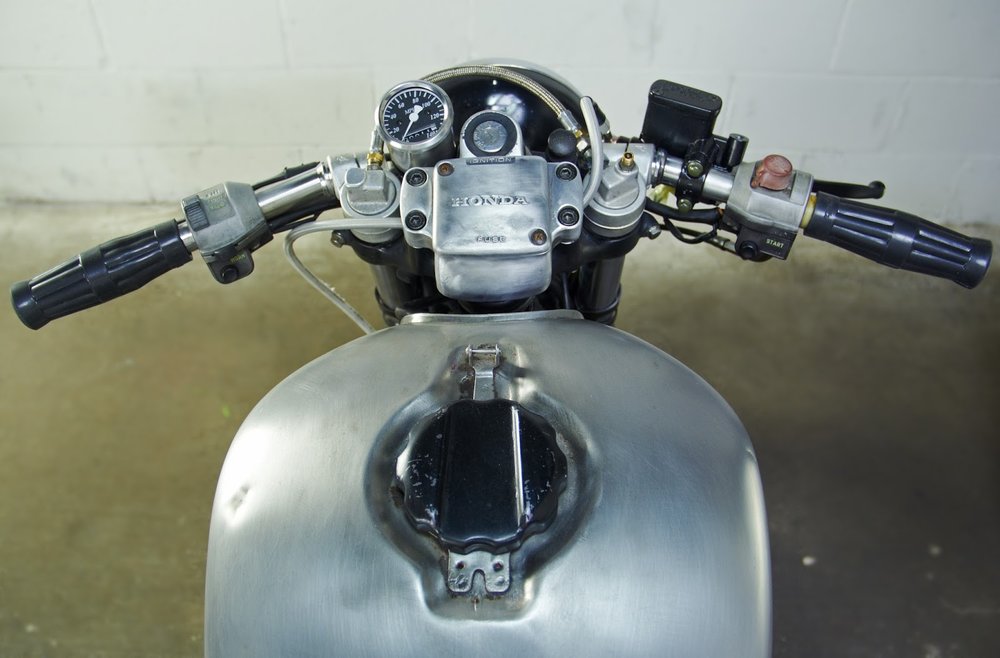
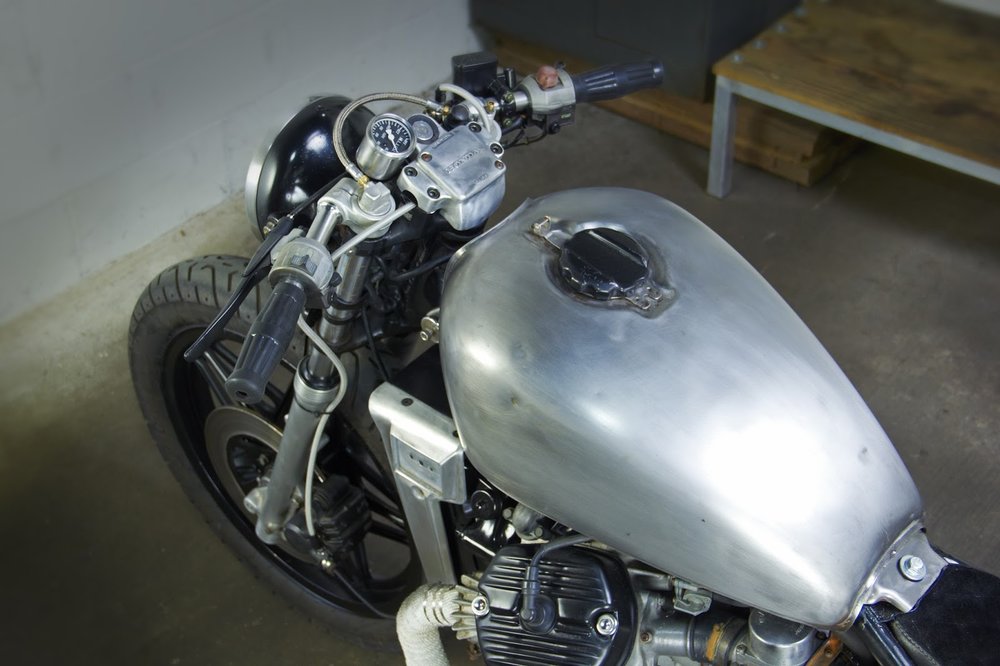
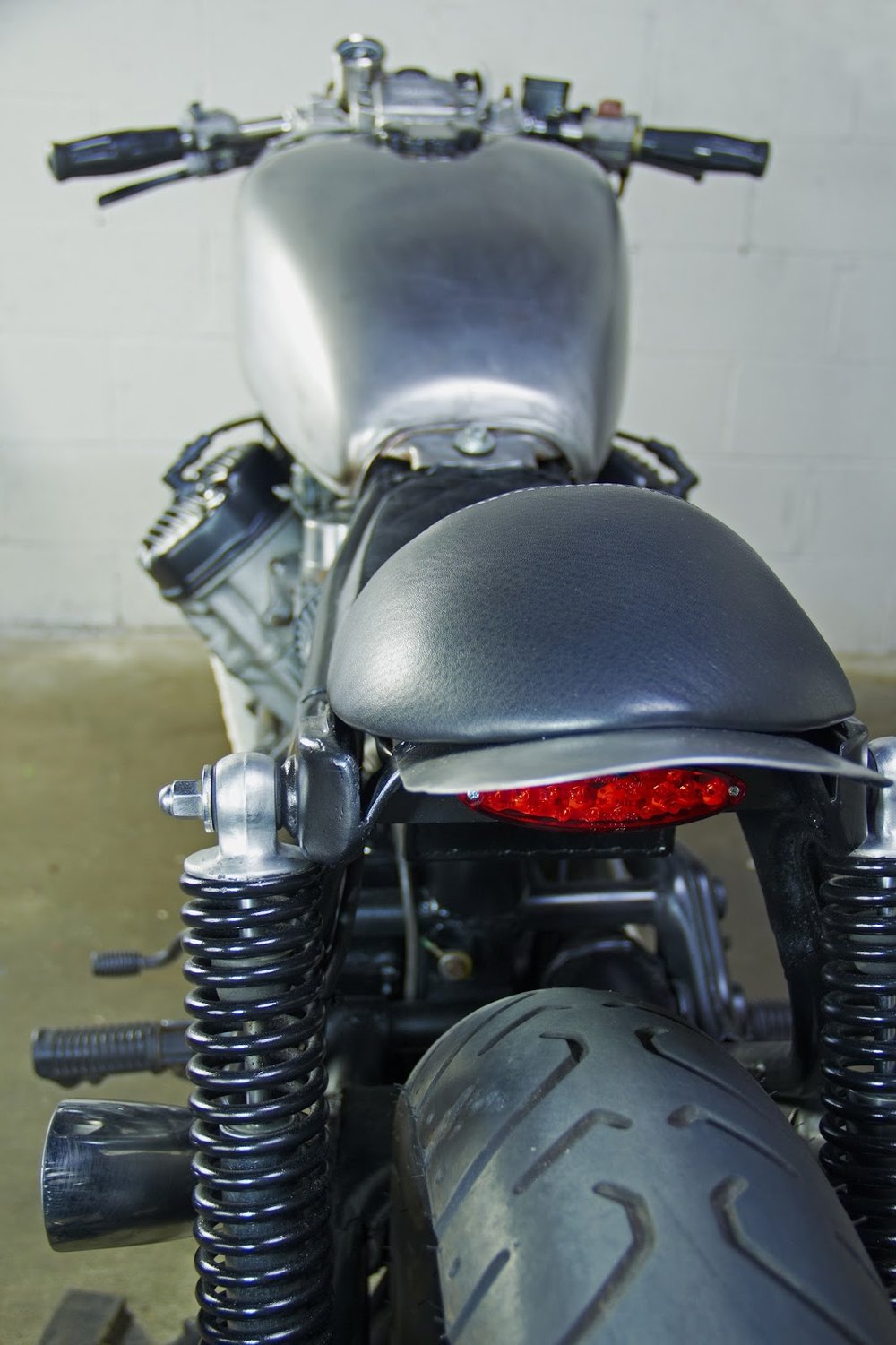
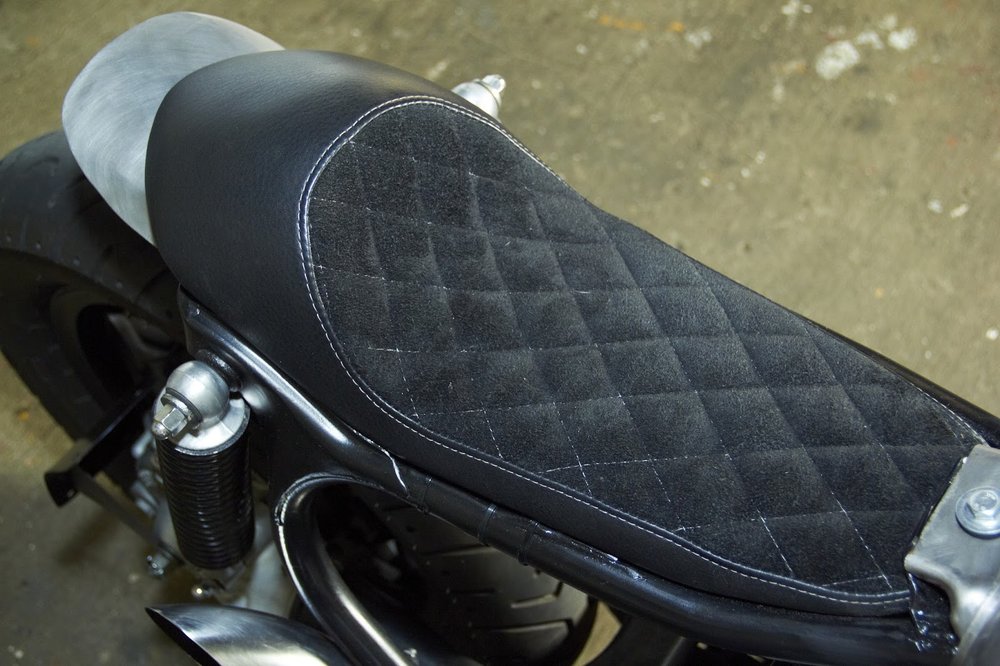
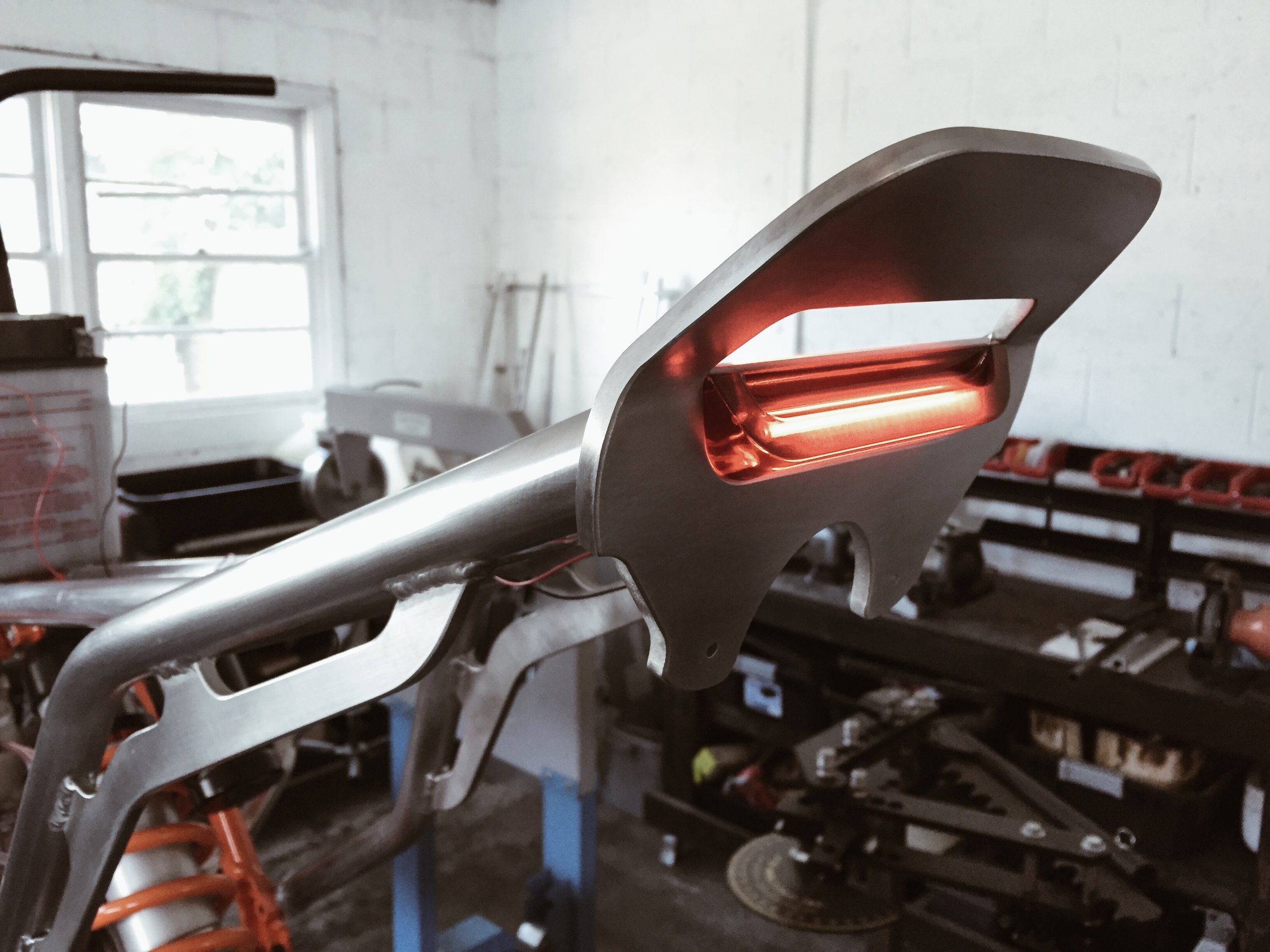
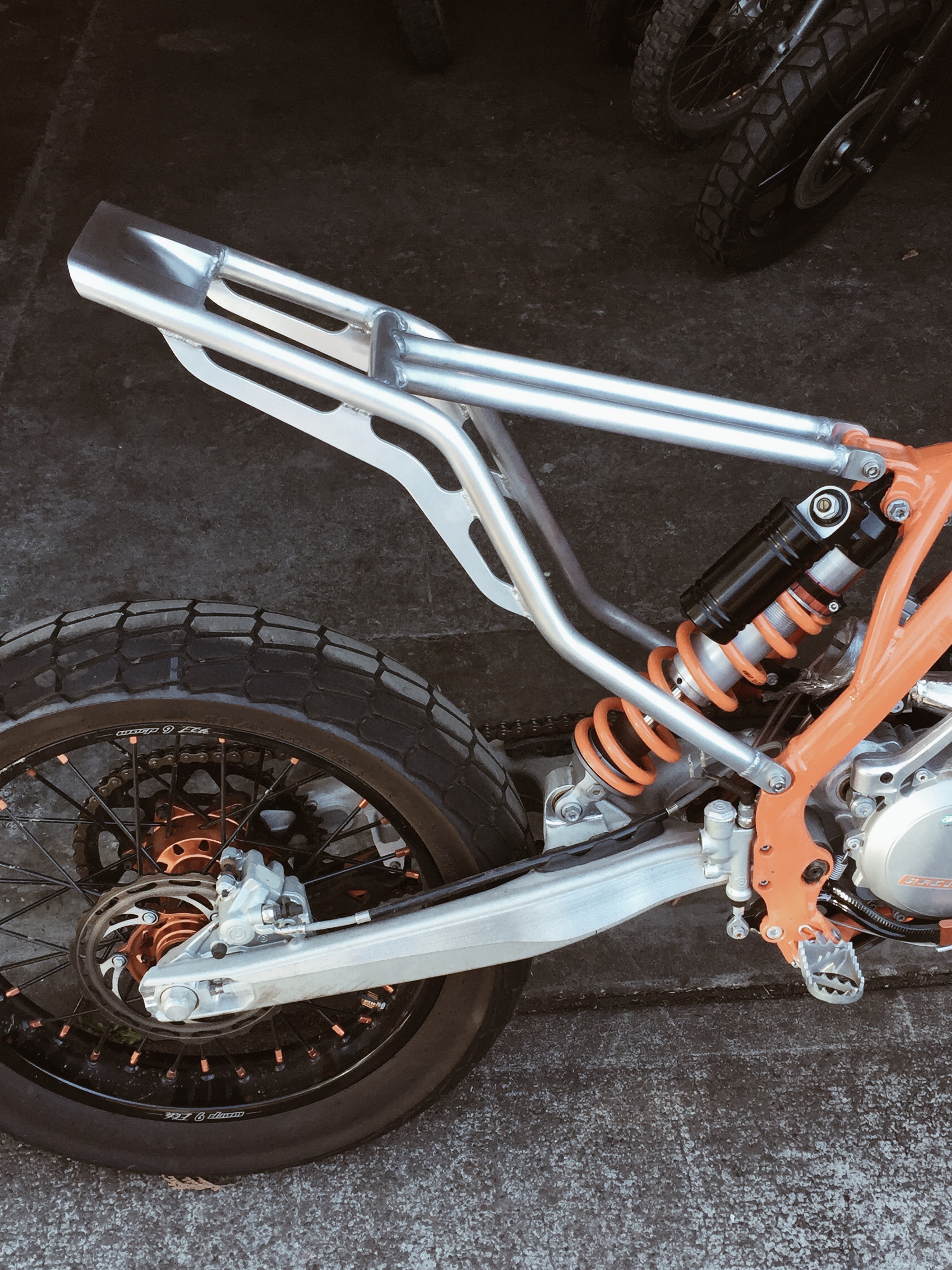
Whenever we come across something new and inspiring there's always that desire to more fully understand it. You analyze the work as a whole, you zoom in, dissect it's parts, wondering what the creator's vision was when they put it all together. How did they they want it to be seen? What lead them up to this point? Where did they draw inspiration from?
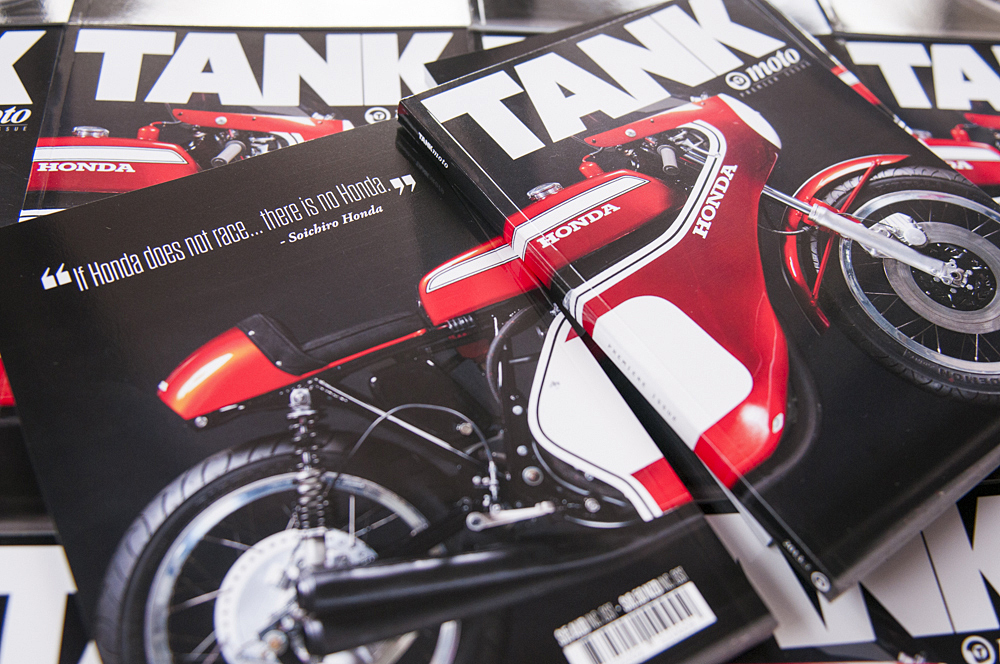
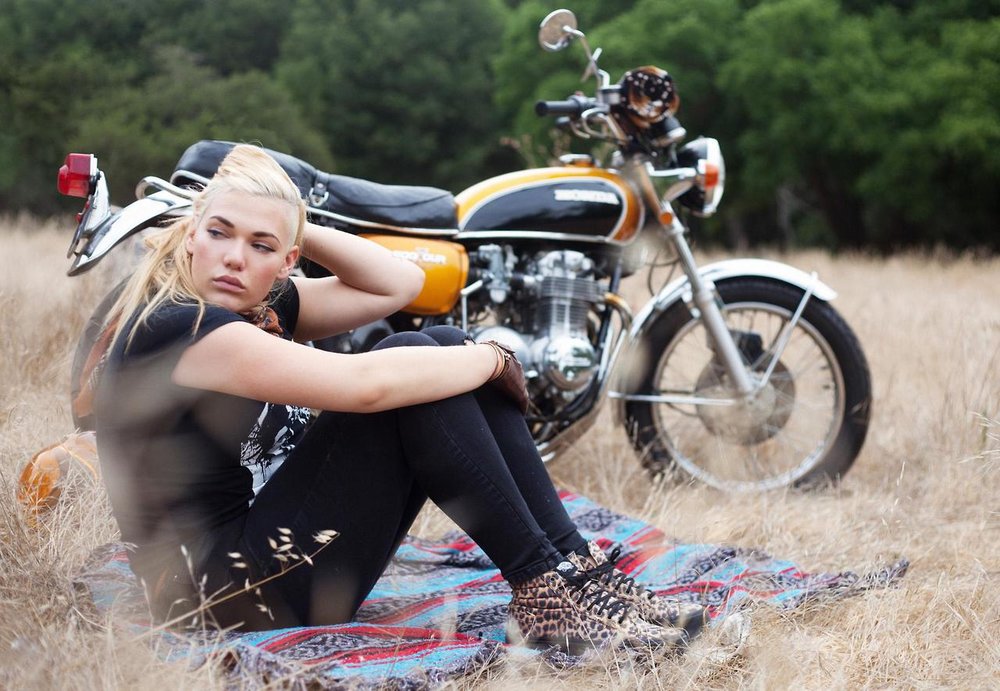
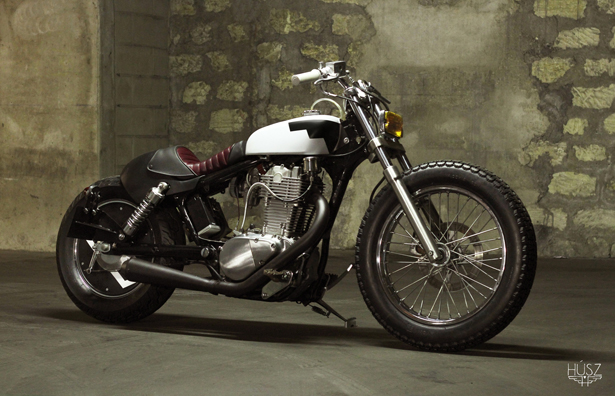
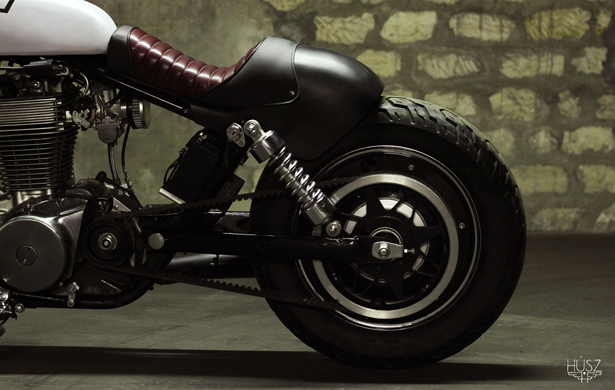
For the past few weeks my day has started with flipping through a few more pages of Tank Moto issue #1 that sits on my desk at the studio. Tank Moto nails it on so many levels outside of it's impressively rich content. The physical feedback it gives you is just as refined as the full spread photo layouts. For us in the US it's a smaller format then we're used to at about 6.5 x 9", but it works. It's compact and it's heavy...even potent. The juxtaposition of the thick glossy pages and matte newsprint section gives you that extra level of tactile feedback. These small well thought out details all play into the overall experience whether you're aware of them or not. Tactile feedback is so important to how we perceive things. It's the reason the touch points in automotive interiors are paid so much attention to. Only have the budget for a couple square feet of real leather?, then it's going on the door handles, steering wheel and shifter. After designing interiors for Ford, Volvo and Aston Martin this is something Luke Ray knows better then anyone...so lets get to know him a little better.

Where did your
professional background start out?
After graduating
from a masters in Transport Design through Coventry University in the UK, where
I originate from, in 2000, I started working at Aston Martin design as an
interior designer in the same city. I worked heavily on the 2003 DB9 and '04
Vantage programs, penning the production interiors for both over a three year
period. My automotive interior design career then took me for a fun two year
spell in Sweden at Volvo, after which I was headhunted by Ford of Australia to
work here in Melbourne on the 2012 Ranger program. That was in 2006, and for
the subsequent four years I was lead designer on the Ranger interior that has
now been 'on the road' for a year or so. I came here as a single man, and I am
now well settled in this fabulous city with my wife, a beautiful young family
by my side and an Australian passport.. quite the unexpected turn of
events.
What was the big push or driving force
behind your decision to begin putting together a magazine?
It
all kicked off very gradually whilst I was designing at Ford here in Melbourne.
I had made the transition from point-and-shoot to SLR camera just a year or so
prior, and it soon became clear that I was fortunate enough to have an eye for
photography. After some basic night school and some event coverage in a few
Australian auto mags, I had built up enough of an interest in car culture here,
particularly hot rodding around Victoria to put together a low volume small
format publication as a trial run. I just printed 1000 copies, without any
advertising or distribution knowledge and jumped in at the deep end. That was
some two years before I left Ford, so it was just a small evening and weekend
hobby whilst I was working there. However, over those two years momentum grew
and grew, and I started to up the production values of each issue. I landed a
distribution deal for issue two, and things started to work themselves up from
there.
It
got to the point where the Ranger design team's input into the program was
ramping down as the design part of the development came to an end, and an
opportunity came up with a round of FoA redundancy packages. I jumped in and
took that option, and I haven't looked back since.
So
I guess there wasn't really a big push or driving force, other than a keen
desire to explore something different and to ride the wave of this new corner
of creative design that I had uncovered for myself.


What was the biggest challenge you've faced
in producing Fuel Magazine, and now Tank Moto?
Learning
a ton of new things form scratch. Graphic design, publishing software, printing
technologies, distribution models, short development turnarounds (a few months
compared to a few years of a vehicle design). Everything was completely new to
me, and there was no one around to teach me. I still do most things myself,
although I now have a very small, tight knit team of enthusiasts around me who
support my vision and indulge in the projects with me. I couldn't do any of
this without them now, so I am very fortunate to have such talented people
within the publications who are all now an integral part of the Fuel Press
machine.
What is your process like for sourcing new
content for your publications and what are some of your guidelines?
The
process is very straightforward. Each one of us has ideas, and we all sit down
at a table and talk about them. It's no more complex than that. We don't have
guidelines other than if we all seem to like something, we pursue it. As far as
my sourcing goes, it comes from all over the place. Web browsing, flicking
through magazines, going to events, talking to people, good old brainstorming,
or occasionally things just come along in their own unique way. Sitting down
with Geoff, Craig and a glass of white usually serves up successful results...
Other times it can just happen right in front of you. For example, Craig (my
assistant ed on Fuel) and I went up to Sydney for an event just a couple of
days ago where Chip Foose was a guest of honour. We went to the press
conference, took some notes, shot some photos, had a chat with him and within
24 hours of landing back in Melbourne, we had a comprehensive interview feature
with Chip scheduled for the next Fuel that goes on sale in just a couple of
weeks. On the other hand, an in depth cover story that we have been planning
and spending alot of time on for a few solid months just got 'bumped' until
later in the year to make way for something else.
It
is truly fascinating going through these journeys and processes, not knowing
where things take you. We have something very special indeed coming up in Tank
Two which I can't talk about right now, but it involved some overseas
recognition of issue one resulting in exclusive access to a motorcycle project
that we would not even have dreamed of pursuing. Getting that email made for a
special day for sure.


How would you describe what Tank Moto has to
offer to someone who hasn't seen it before?
Tank
Moto offers a package that is not available in any other motorcycle
publication, and that is the goal that we set ourselves when we conceived it.
TM has not been designed to replace current motorcycle media, but to compliment
it and add something extra to an enthusiasts shelf. It includes a full range
from classic bikes through to customs, race bikes, choppers, design projects,
history, cafe racers, production bikes, interviews, events and artists, and all
put together using production values that, as far as I have seen, have not been
used in a motorcycle publication before. Weighing in at nearly 450g per copy,
we do have a few headaches with the postage costs to overseas regions, but we
decided to stick with the high production values that have been so well received
with Fuel Magazine, as the quality of the presentation and materials is a core
ingredient of all Fuel Press products.
What are your near future goals or plans
down the pipeline?
For
the foreseeable future our focus is to follow up the Tank premiere issue with
'Tank Two' in October, under the watchful eye of Geoff the editor, and Craig
the assistant ed, then serve up one more Fuel Magazine before Christmas and
then take my family for a nice cold winter break back to Sweden. After that,
2014 is a fresh year with plenty of possibilities so we'll see where it takes
us. I never really consider 'goals' as such, as that feels like an end point.
The only goals I have are short term ones to deliver each magazine to our
printer on time without our distributor chasing me with a big stick and
shouting about on sale dates. In all seriousness, I just do my best to deliver
a high quality, well considered and engaging product once every couple of
months. As I mentioned, I now couldn't do it without the team, but it's me who
keeps one eye on the calendar, leaving the others to stay creative and enjoy
producing great content.
Down
the line I am already thinking about the next big project. I even came up with
the name today, but that's probably about 3 years away. But there's nothing
wrong with planning ahead, and keeping the motivation going gets the creativity
levels up, which is what landed me here in the first place.
Find out where you can grab a copy in your country: Stockists